

In recent years local authorities in the UK have stepped up in motivating their residents to adopt greener behaviours. Whether it’s promoting green transport through improved cycling provision and “schools walking buses”, or encouraging more recycling and green composting, councils are key players in driving behaviour change at the local level.
Whilst there’s some concern this proactive approach may come under pressure with the changing politics both in the UK and internationally, particularly the current rise of Reform UK in local politics, I think councils will continue encouraging green behaviours as this can also lead to cost savings and quality of life improvements for local communities – even if pro-environmental initiatives are maybe re-branded away from ‘net zero’ to ‘service improvements’ or something similarly innocuous.
At Team Jump we’ve been working with Councils on programmes to encourage greener behaviours amongst residents for over 12 years. In that time, we’ve learnt a lot, and the key lesson from all this experience is to set realistic expectations.
We’ve noticed there can be a tendency amongst some council members and officers to have an unrealistic expectation about the number of residents who are going to get involved. Personally, I’ve had several exploratory meetings with council members and officers to discuss a potential new recycling incentive scheme, for example, when I’ve had to politely point out that it would be unrealistic to expect half their residents, as they’ve suggested, to get involved. This kind of wishful thinking ignores both human behaviour and experience from many case studies.
Human behaviour is such that ingraining any positive behaviour is challenging, particularly when it’s voluntary and without a direct financial benefit. This doesn’t mean residents aren’t in principle keen to play their part in green initiatives, it’s just that people are busy with lots of things to do. With the best will in the world, a new app funded by a council to promote recycling, for example, is never going to be as popular as billion-dollar apps like TikTok and Facebook!
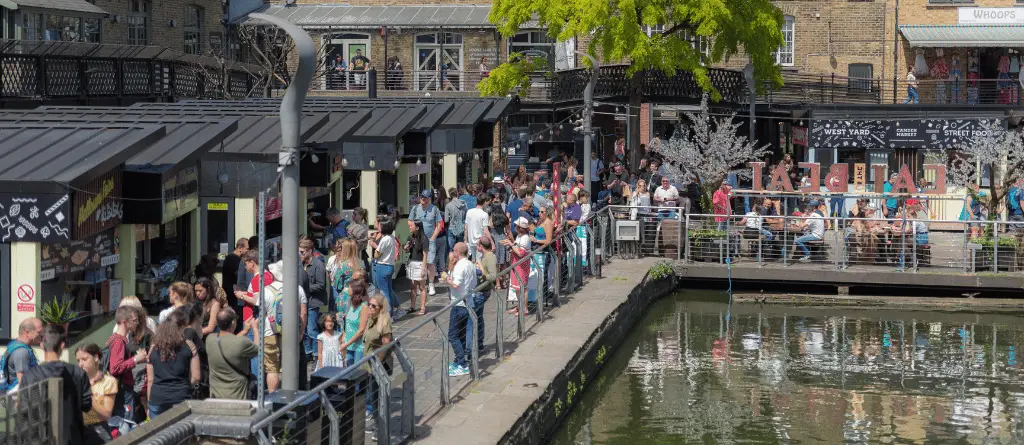
However, a lot can be achieved with some budget and a smart approach. Over the last 12 years we’ve worked with more than 35 councils and through these resident engagement programmes have got over 70,000 residents involved. For example, there are 18,000 households signed up to Camden Eco Points and on a weekly basis these residents are playing their part by recycling, avoiding single use plastics, commuting sustainably and much more.
We couldn’t have got 18,000 of Camden’s 93,000 households participating without door-to-door engagement activities; clearly door-to-door is more labour-intensive than posting on X, placing an ad on a bus or other marketing activities. All these approaches are good and will yield results when done well, however the key is to be realistic about expected results. Outcomes will be determined to a large extent by the marketing spend, and with our experience we can now predict with a reasonable degree of accuracy the likely take-up from residents based on the promotional activity.
From social media, emailing resident lists, community events, promotional videos, bus shelter ads, door-to-door promotion, etc we’ve got a good understanding of the likely proportion of households that will get involved. If you’re a local authority planning a new resident environment programme, we’d be pleased to explore the options with you at the earliest stage and help you set realistic expectations. In our experience, council programmes that achieve longevity and ongoing success are those that start out with realistic expectations.