

As climate anxiety rises and resources tighten, waste management in schools and universities is becoming increasingly important .
In our recent University Sustainability Engagement Masterclass, we explored how education providers can turn awareness into action. Drawing on insights from student research and real‑world examples, the session revealed what works and what doesn’t for waste management.
Why Universities Must Focus on Behaviour Change
Waste management in schools and universities succeeds when it goes beyond infrastructure and policy. Students already care about sustainability, but they face competing priorities, limited time, and unclear guidance. These barriers often stop good intentions from becoming daily habits.
Our research shows that students want to take action. However, they struggle when waste systems feel confusing or disconnected from their everyday routines. This is why universities must prioritise behaviour change over bins and signage.
When sustainability feels easy, visible, and rewarding, students engage more often. Over time, those actions become normal behaviour rather than a conscious effort.
What Motivates Students in Waste Management for Schools and Universities
Students are primarily motivated by moral and ethical responsibility. They want to do the right thing for the planet and for future generations. Protecting nature also ranks highly, while saving money plays an increasingly important role during a cost‑of‑living crisis.
This matters for waste management in schools and universities because messaging must reflect these motivations. Students respond better when waste reduction is framed as a shared responsibility rather than a rule to follow. They also engage more when they can see how small actions contribute to wider impact.
Financial incentives help, but they work best alongside education, peer influence, and visible progress.
Reducing Waste Through Clear Guidance and Education
One of the strongest insights from the masterclass was the importance of clarity. Students repeatedly said they want clearer waste and recycling guidance. Confusion around food waste, contamination, and recycling rules undermines even the best waste management strategy.
Education closes this gap. When schools explain why waste separation matters and how to do it correctly, participation increases. This education works best when it is practical, visual, and reinforced regularly.
Digital platforms, short videos, and in‑person conversations all play a role. When combined, they help students move from awareness to consistent action.
A Case Study in Waste Management in Schools and Universities: University of South Wales
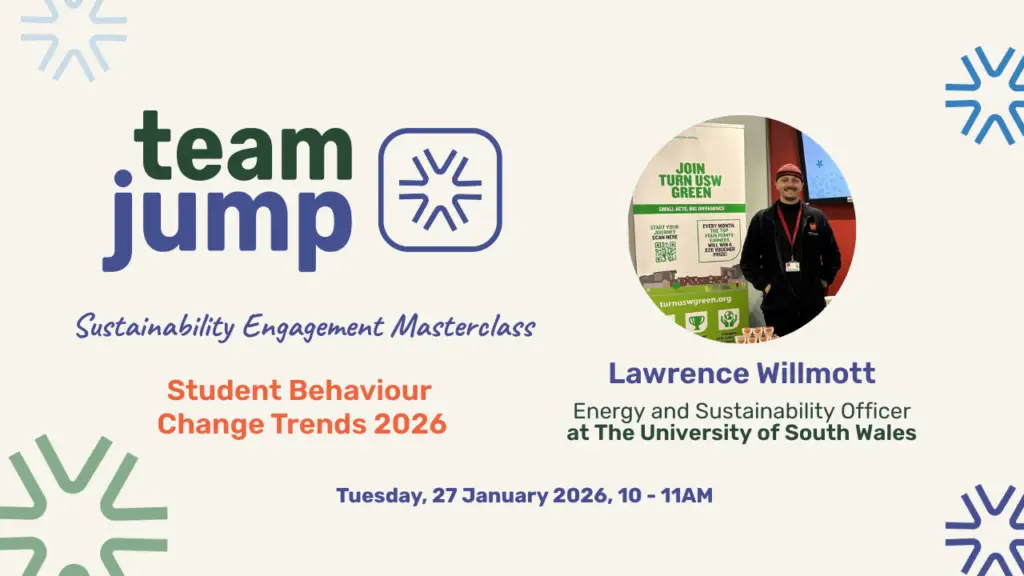
The University of South Wales demonstrates how waste management in schools and universities can be improved through engagement. Their Turn USW Green programme has supported tens of thousands of sustainable actions by students and staff.
Rather than relying on one‑off campaigns, the university integrates waste reduction into everyday life. Students earn rewards for actions such as recycling correctly, reducing food waste, and attending sustainability events. These actions are reinforced through campaigns that align with national recycling initiatives.
Crucially, the programme works because it connects digital engagement with real‑world activity. Students see sustainability messages in their accommodation, at events, and on their phones. This consistency helps waste reduction become routine.
Making Waste Management Schools Work Long Term
Sustained engagement is the difference between short‑term success and lasting impact. Universities perform best when they refresh activities regularly and remove anything that feels irrelevant.
Recognition also matters. Students stay engaged when their efforts are acknowledged, whether through rewards, feedback, or messages from senior leadership. Visible support from leadership reinforces that waste reduction is a shared priority across the institution.
Most importantly, schools must ensure students have the opportunity to act. Recycling facilities, food waste systems, and clear signage must exist before behaviour change can succeed.
Turning Universities Into Communities of Action
Universities thrive when they feel like communities rather than campaigns. Peer influence, in‑person events, and collaboration with local partners all strengthen engagement.
When students see others taking action, behaviour spreads naturally. Over time, waste reduction becomes part of campus culture rather than an optional extra.
This is how education providers can lead the transition to a more sustainable future.
If you want to strengthen waste management in your school or university, discover how our programmes help education providers turn awareness into action.