

Nudge theory is still widely debated in the behavioural science space. While infrastructure and policies matter, it will take mass behaviour change to ensure that sustainable habits are adopted at a substantial rate. In this blog, we’ll explore how nudge theory works, why it remains debated, and how combining nudges with gamification, incentives, and education can help you reduce your organisation’s waste.
What is Nudge Theory?
Nudge theory is the idea that people can be encouraged to make better choices through subtle changes to the way those choices are presented. Introduced to the mainstream by Thaler and Sunstein in their 2008 book Nudge: Improving Decisions About Health, Wealth and Happiness, this approach forms a foundational aspect of behavioural science.
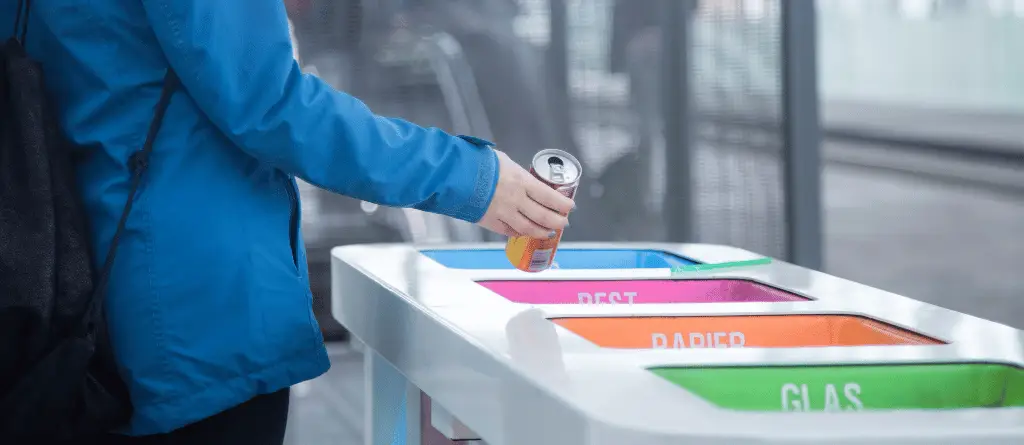
Rather than restricting options or introducing mandates, nudges reshape the decision-making environment—what’s often called the choice architecture. For example, placing recycling bins at eye level or highlighting sustainable menu choices with a green label are nudges. The idea is not to force action, but to influence it.
The concept gained traction with governments and businesses seeking low-cost ways to encourage healthier, greener behaviour. Today, nudge units exist in more than 200 organisations worldwide, designing interventions that feel effortless but shift outcomes dramatically.
How to Cut Waste with Nudges
Behavioural nudges can be especially effective in reducing food and material waste. Simple, low-cost changes can significantly reduce environmental impact in your workplace, canteen, or university setting. Here are three proven waste-reduction nudges from a major UAE trial:
- Model Portions and Verbal Prompts
Displaying visual examples of standard portion sizes helped diners choose less food upfront. Staff were trained to say: “This is a portion of today’s food. You can come back for more if you’re still hungry.” This approach reduced waste by moderating over-serving and encouraging mindful consumption. - Behaviour-Informed Messaging
Posters and prompts placed around canteens reminded diners to only take what they need and think about the planet. Positioned at entrances, serving counters, and tables, these messages encouraged reflection at key decision points. - Transparent Bins and Feedback Boards
Clear bins made food waste visible, while daily updates on waste quantities reminded diners of their collective impact. This nudge added personal accountability and made waste reduction a shared goal.
Together, these nudges led to a 44% drop in food waste in participating UAE staff canteens, without affecting customer satisfaction.
Does Nudge Theory Work?
Well… yes, but also no.
Some studies have found nudges deliver meaningful behaviour change. For example, default options like automatic pension enrolment have significantly increased long-term savings. Creating friction for what had previously been the default and making the alternative the default is definitely the strongest application of this approach.
But recent meta-analyses have challenged this optimism, arguing that many studies overstate nudge impact due to publication bias—where positive results are more likely to be published than neutral or negative ones. Some critics even claim there’s no significant evidence nudges work at all in many contexts.
One well-known study on cafeteria food found that while more children chose carrots when they were made easier to reach, they didn’t eat them—they threw them away. The nudge changed choices, but it didn’t motivate them to take the desired action.
But that doesn’t mean that these nudges are completely pointless. It just means that they should be one part of a larger, wholistic behaviour change programme.
How Can We Improve Nudges?
Nudges alone aren’t the answer to behaviour change, but they can be part of a series of interventions designed to motivate and empower people to take action for a sustainable future.
To drive lasting impact, combine nudges with:
- Gamification: Leaderboards, competitions, and challenges increase motivation.
- Incentives: Points, prizes or even just recognition provide extrinsic motivation to take action.
- E-learning: Providing the why behind the action builds deeper understanding and commitment.
- Data: Proving the impact of actions reinforces the behaviour and builds habits.
- Social Impact: Showing evidence that others are doing the same to create a culture of sustainability.
This integrated approach is at the heart of what we do at Team Jump. It’s why 97% of our members say sustainability has become part of their daily routine.
What Can Your Organisation Do to Cut Waste?
You don’t need to launch a full nudge unit to make a difference. Start small, test ideas, and build from there.
Here’s how to begin:
- Assess Your Waste Baseline
Track what and how much your team or community throws away. Understand when and where waste happens. - Introduce Simple Nudges
Use signs, portion cues, or visible waste bins to guide behaviour. Refer to this step-by-step guide to implement proven interventions. - Involve Your Team
Engagement increases when people are part of the solution. Ask for feedback, encourage champions, and celebrate wins. - Layer in Education and Motivation
Reinforce your nudges with meaningful learning and challenges that make action fun and rewarding. - Track Progress and Adapt
Behaviour change is complex. Use data to refine your approach and find what works for your people.
If you’re ready to move from intention to action, we can help. Our programmes combine nudges, gamification, education, and community to drive measurable behaviour change.
A Nudge in the Right Direction
Nudge theory may not be perfect, but when used in conjunction with other tools, you can transform the way your team thinks. By designing environments that incentivise better choices and using your nudges to remind people of those incentives, your organisation can dramatically reduce waste, and build lasting habits for a more sustainable future.
Want to know how you could be using tried and tested behavioural change theory to empower your team to take more sustainable actions? Sign up for a free sustainability engagement health-check, worth £500!