

How we’re raising awareness of sustainable fashion
Sustainable fashion is gaining momentum as people learn more about the environmental and social costs of the clothing industry. Fast fashion’s rapid turnover and wasteful production processes are harming the planet, but by raising awareness, you can change your team’s behaviours. That was exactly the goal of our Fashion Footprint campaign.
Members logged over 31,352 actions during the campaign, and over 1,150 members across 31 schemes responded to our post-campaign survey with positive feedback. After engaging with the challenge, 90% of respondents said their awareness of fashion’s impact on the planet had increased. More importantly, 73% reported making a change to how they care for or consume clothing as a direct result of the programme.
Knowledge is power, so we’re exploring the wisdom our campaign imparted on our members to better understand sustainable fashion.
Why is sustainable fashion important?
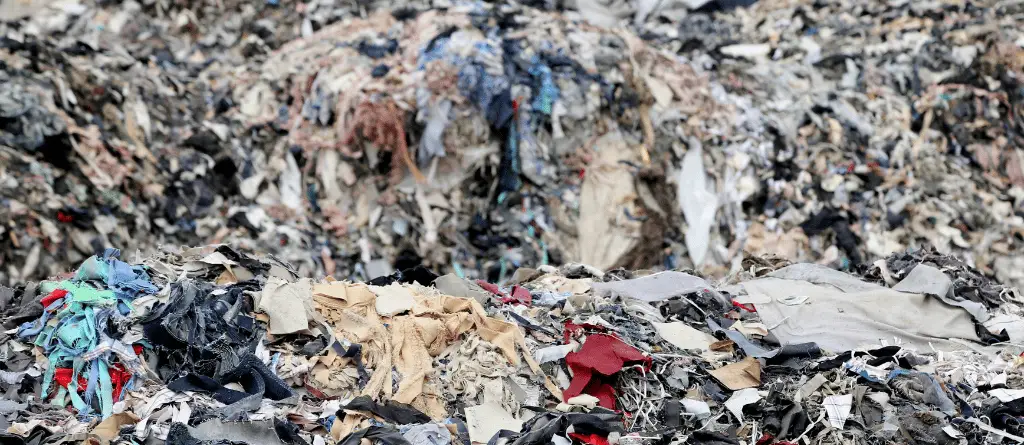
The fashion industry contributes as much as 8% of global carbon emissions and is the second-largest consumer of water worldwide, according to the UN Environment Programme. Millions of garments end up in landfill each year, and textile workers often face dangerous conditions and unfair wages.
This makes fashion one of the most urgent areas for environmental and social reform. But people can only act if they understand the issues. That’s why awareness campaigns are crucial.
The Fashion Footprint Challenge showed that education leads to behaviour change. One respondent said, “This challenge introduced new positive elements and ideas into my daily life that I may have overlooked or not paid much attention to before”.
What is sustainable fashion?
The most sustainable fashion is of course second-hand clothing. You think that by buying second-hand you’re leaving clothes on the shelves that fashion brands will eventually send to a landfill, but it’s important to note that fashion brands will always put profit first. If they find that they are wasting money sending clothes to landfill, they will reduce production to save money.
By buying second-hand at charity shops, or online marketplaces like Vinted, you’re ensuring that the demand for new clothes stays low and therefore reduces the supply.
Team Jump’s campaign educated members about this by providing practical activities and quizzes. In fact, 88% of respondents reported an increase in their knowledge of how to reduce the impact of their fashion habits.
How can the fashion industry become more sustainable?
Fashion brands must take responsibility. That means reducing overproduction, designing for repair and recycling, and investing in ethical supply chains. They must start investing more in sustainable materials like cotton over polyester to reduce microplastics in our water-supplies.
At the same time, consumers need access to the tools and information that empower change. Fashion brands will respond to market trends. According to a recent Deloitte survey, 75% of consumers are more likely to purchase brands that offer green or sustainable products. Brands need a financial incentive to change, and by changing habits, you can put pressure on them to do just that.
What do our Members say?
Our Fashion Forward post-campaign survey highlighted several ways members want their organisations to support sustainable fashion choices:
- Offer repair workshops and mending tutorials to extend garment life.
- Promote second-hand shopping and create community clothing swaps.
- Ensure campaigns are inclusive and accessible, so everyone can take part—regardless of ability or background.
People want to take action for a sustainable future, but they need the right tools to empower that change. By implementing these suggestions into your sustainability strategy, you two could engage your team with ethical, sustainable, consumer habits.
Building habits for lasting change
Sustainable fashion starts with awareness, but real impact comes from consistent, habit-forming actions. Using a Team Jump program you can turn sustainability awareness into measurable climate action.
Interested in how you can empower people to engage more with sustainable fashion? Book a call with our team and receive a free sustainability engagement health-check to find the gaps in your sustainability strategy.